

What You Should Be Doing Five Years Before Retirement (15 actionable steps)
What You Should Be Doing Five Years Before Retirement (15 actionable steps)

Close To Retirement?
When you’re five years or closer to retirement, it’s time to map out your countdown plan. There’s a lot to think about when it comes to planning your retirement.
For most of your working life, it wasn’t exactly a pressing concern. You might have thought about it for a few minutes as you skimmed your company’s benefits handout, checking to see if your new glasses were covered or would be reimbursed for your gym membership.
Retirement was more like a vague, distant concept rather than something that would actually happen one day.
Then, suddenly, you hit your late 50s or early 60s and you realize, that retirement comes with terrifying urgency.
- Do you have enough savings?
- Is your money invested too aggressively — or not aggressively enough?
- Do you need long-term care insurance?
- Do you have a will? What even is a reverse mortgage?
This abrupt awakening/panic attack often hits five years or so before retirement — which can be good. Because those years can be critical.
Five Years Before Retirement Checklist
You can make moves now that will substantially improve your life in retirement.
What You Should Be Doing Five Years Before Retirement
Here is the financial planning moves you need to start making now. You can work through these steps yourself or ask a financial advisor to help you project how your retirement might unfold.
1. TAKE INVENTORY OF YOUR ASSETS
You need to figure out where you stand financially. Write down every debt, liability, savings balance, income stream, and insurance policy you have. Don’t forget about properties, vehicles, and other valuable possessions that affect your bottom line. A good way to do this is by creating a worksheet that you can adjust on a regular basis. This process will allow you to assess your current financial situation and plan accordingly. In the worst-case rethink your retirement expectations.

What You Get in Personal Budget Google Template
• It’s a Google Sheets-based personal budget template you can download it free for personal use
• All expenses are grouped into 9 different categories: Home Expenses, Transportation, Loans, Health, Gifts, Subscriptions, Savings, Daily Leaving and Miscellaneous.
• Each category has a detailed list. For example, Daily Leaving: Groceries, Personal Supplies, Clothing, Dollar store, Shoes, Eating out, Hair Salon, Pet food and others.
• Template visually shows how much you earn, spend, and save monthly.
2. CUT EXPENSES
It’s essential to know where your money is going. Now is a great time to review your spending habits. Do you know where every dollar is being used? Identify exactly where you’d trim back when you retire, and your income will drop. Consider cutting these costs now.
3. BUILD AN EMERGENCY FUND
You want to be sure you’re protected should things not go according to the plan, especially if you didn’t save for retirement. Keep your fund somewhere safe and separate from your other savings so you aren’t tempted to spend it.
RELATED: How Much Do I Need To Retire?
4. REVISIT YOUR DEBT PAY-DOWN STRATEGY
In an ideal world, we’d all enter retirement without any debt. Since your income is likely to decrease, any fixed payments will start to take up a larger share of your expenses. It’s a good time to re-negotiate and pay down debt. You may also want to put more payment toward the principal.
5. RESEARCH RETIREMENT BENEFITS
Research all retirement benefits available to you and apply for these benefits when the time comes.
In Canada, there are a few different government income options you may be eligible for depending on your financial circumstances, like Canada Pension Plan, Old Age Security, and Guaranteed Income Supplement.
6. MAKE A RETIREMENT INCOME TIMELINE
Create a timeline to show when different streams of income will begin. This will help you to manage cash flow and determine how much money you need to retire. Be sure you are thinking of each income in post-tax dollars, as many of us fail to factor in taxes.
I like the idea of having a “rough” date as I think it makes planning more concrete/real.
💡 TIP: You can also work part-time or turn a hobby into a business after you retire, which can supplement your retirement income.
RELATED:
40 Legitimate Online Work-From-Home Jobs for Seniors
Getting a Retail Job After 50 | Career Advice
Side Hustles For Pet Lovers Anyone Over 50 Can Do to Earn Extra Money
7. KNOW HOW YOU’D USE SAVINGS
If you are going to draw on retirement savings. Start to think about how you’d budget those resources. What lifestyle changes will you want to make to ration them appropriately? Preparing for new habits and understanding the spending logistics of your retirement savings are essential.
RELATED: Over 50? How To Save Money Fast On A Low-Income? Start Here!
8. HOUSING
Take a good look at your house, too. Whether you’re thinking about selling it to downsize or determined to stay in it forever, it may need some updating. Better to pay for it now while you’re drawing a salary.
You might also look at refinancing your mortgage or even opening a home equity line of credit, which will be easier to do while you’re still earning income. Your goal should ultimately be to reduce debt, not take on more of it, but a line of credit could come in handy in an emergency.
READ NEXT: 9 Housing Options for Seniors in Canada and 7 Key Benefits of Renting vs Owning in Retirement.


FREE PRINTABLES
Join over 100,000+ readers and get free access to all my printables
9. RETIREMENT LIFESTYLE
Put aside some time to contemplate what retirement will actually mean for you. Sure, you want to travel a bit, and maybe you imagine going someplace warm for the winter months. Nearly everyone wants that. But what about your day-to-day existence? What will you do with yourself?
Focus on what’s most important to you. Ask yourself “What if I had three years to live? What would be my top three or five priorities?”
- I would say to try and find 8-10 activities you think you might like doing, try them out, and see which ones stick. The goal will be to have at least five you can take into retirement — things you love doing that will fill your time productively in retirement.
10. PLAN YOUR ESTATE
No one likes to think about their demise, but near retirement, you’re also really getting closer to the end of your life. Being prepared with an estate plan will ensure your family is not plagued with financial burdens after you’re gone.
In addition to creating a will, you’ll need to assign a power of attorney and healthcare proxy to make decisions on your behalf should you become incapacitated.
Ensure all documents are properly notarized and stored somewhere safe. Include an inventory of personal data like your Social Insurance number, date of birth, bank account numbers, insurance policy numbers, and digital passwords to keep things organized and easy to access. After you’ve created your plan, remember to review it every year.
11. PLAN WITH YOUR SPOUSE
The old saying ‘Two heads are better than one can apply to retirement, too. It’s important to discuss both of your visions for retirement so you’re on the page and can plan together, which will help each of you get the most out of your retirement.
- What are your retirement goals?
- Should you retire at the same time?
- What types of investments are good for couples?
12. INTERVIEW POTENTIAL RETIREMENT PLANNERS
You can find advisors who will do that for a flat rate, as well as advisors who will manage your retirement investments and help with planning decisions. Getting a second opinion on such a big decision is probably worth it.
If you must, see a planner. However, if you’re competent enough to do the work yourself (like I did), then by all means work the numbers for yourself.
13. A YEAR BEFORE RETIREMENT
Practice being retired. By that I mean living off the annual cash flow you anticipate during retirement before you retire. It is a good experience, but it’s scary at the same time.
14. EDUCATE YOURSELF
Have you studied various types of retirement investment options to learn how they can be used to deliver consistent retirement income to you? Each investment choice will have its own pros and cons. It is best to learn how each tool works before you decide which is best for you.
You’ll want to learn about investing approaches that affect the distribution phase in retirement, as it is quite different from the accumulation phase.
💡 TIP: Learn about taxes in retirement. Plan for the amount of tax that you’ll owe the year you sell the stock/house or spread the sale of the stock over several calendar years.
15. READ AT LEAST ONE BOOK ON RETIREMENT PLANNING

The Five Years Before You Retire: Retirement Planning When You Need It the Most – by Emily Guy Birken
This a very quick read that helps you develop a 5-year plan for retirement. It points out the questions you need to know about what you want your retirement to look like, and what are your best strategies to make it happen, and also shares some hard truths that the baby boom generation might not want to hear.
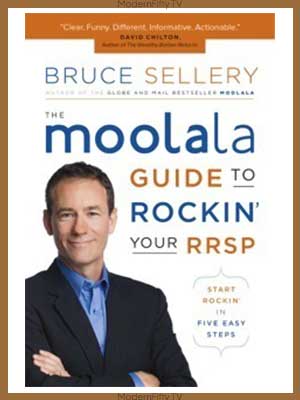
The Moolala Guide to Rockin’ Your RRSP: Start Rockin’ in Five Easy Steps – by Bruce Sellery
FOR CANADIANS. Bruce’s book is about much more than RRSP. He asks a simple but powerful question: why are you saving for retirement? We need compelling reasons.
The book includes many quotes from real people. That’s unusual and effective. The book feels interactive and engaging — a workshop, rather than a lecture. Bruce encourages you to write in the book, which makes it more like a workbook.
ENJOY THE EXPERIENCE
While there may be a lot to take care of as you prepare for retirement, don’t lose sight of how exciting this time in your life should be. Take the time to evaluate what you want your retirement to be like. You’re closing in on a new chapter that gives you an opportunity to put an emphasis on all the things in your life you may not have had time for during your working years. The life of a retiree can, and should, be everything you want it to be.
READ NEXT:
- Top 5 Retirement Concerns that I am Thinking About at 55
- No Retirement Savings At 60, 9 Ways To Survive With No Money
- Ultimate Guide to Ontario Benefits for Low-Income Seniors
Disclaimer – Modernfifty.tv provides the information contained in this series for informational purposes only. It is not to be used or construed or relied upon as financial, legal, tax, accounting, or other professional advice or recommendations regarding the suitability, profitability, or potential value of any particular investment, product, service, or course of action. The information provided does not replace consultations with professional advisors and it is recommended that you seek appropriate independent advice from qualified professional advisors before making any financial or other decisions. Modernfifty. tv shall not be responsible or liable in any way for any loss or damage directly or indirectly incurred as a result of, or in connection with, the use of such information by you.