

Benefits of vitamin C in skincare – THE ANTI AGING BEAUTY DETECTIVE

What are The Benefits of Vitamin C for Skin?
Do you want your skin to look brighter and even skin tone?
Then you will benefit from using Vitamin C serums in your skin routine.
It’s clinically proven that Vitamin C helps to stimulate collagen production in our skin and is great for protecting our skin from damage by neutralizing free radicals—especially from the sun’s UVA and UVB rays.
Is Vitamin C Necessary for Skin?
Normal skin already contains high concentrations of vitamin C, which supports important and well-known functions, stimulating collagen and antioxidant protection against UV-induced photodamage.
But with age amount of vitamin C diminishes and your skin needs help by supplementing it with serum and well well-balanced diet.
What Are the Benefits of Vitamin C Serums?
Vitamin C is an essential part of the anti-aging skincare routine. It’s a powerful antioxidant and helps to stimulate collagen production which slows as we age. Improves uneven skin tone, and loss of firmness and elasticity.
Well, known benefits of vitamin C are:
- Reduce signs of aging
- Brighter and firmer skin
- Fewer fine lines and wrinkles
- More even skin tone
- Reduce under-eye bags
- And acne scars
What does Vitamin C Serum do to your face?
From my personal experience, you can expect brighter and firmer skin. After one month of using I had to change my foundation to a lighter shade. But it will take a while for age spots to disappear.
What you will not see with your eyes, is that Vitamin C serum helps to prevent signs of aging. And this is a big plus in my book.
It’s good for everyone to include vitamin C in their daily beauty regime.
There are many different serums with different concentrations and different types of vitamin C derivatives.
You can find something no matter your skin type or budget, so I hope you enjoy the list below!

What is the best form of vitamin C for the skin?
LAA or ascorbic acid is the most potent type of vitamin C, but it’s highly unstable.
That’s why a great effort was put into developing derivatives of ascorbic acid.
Different Forms of Vitamin C in Skin Care
Derivatives as sodium ascorbyl phosphate, ascorbyl palmitate, retinyl ascorbate, tetrahexyldecyl ascorbate, magnesium ascorbyl phosphate, ascorbyl glucoside, and 3-O ethyl ascorbic acid were developed. To ensure the stabilization of the molecule from oxidation and overcome the significant challenge of skin penetration. In addition, they must be converted to ascorbic acid in vivo in order to be effective.
So, if one derivative is too irritating, you can always try another. Many of them are used in moisturizers, serums, essences, or toners.
Here’s a quick list of the characteristics of some of these forms and what they can do for you!
What Is L-Ascorbic Acid (LAA)?
This is vitamin C in its most potent form, and LAA has the most research backing it to show effectiveness. However, it’s less stable than other forms and can cause skin irritations in high doses. If you try it, and your skin is OK with it, then this is your best choice for results.
Best for: potency and results
Best Vitamin C Serum With L-Ascorbic Acid for Normal To Dry Skin:
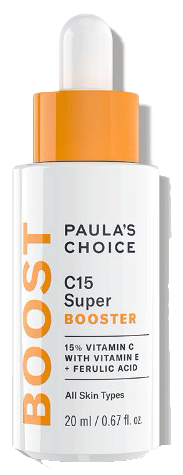
Paula’s Choice C15 Super Booster (15%) PH 3.5 Comes in smaller quantities, it’s better for vitamin C serum because of oxidation except to it. It’s a booster serum, which means that you can add it to your moisturizer or SPF of foundation or use it on its own.
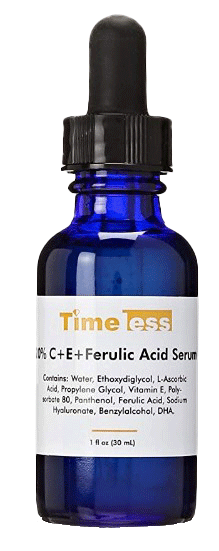
Timeless Skin Care 20% Vitamin C Plus E Ferulic Acid Serum Vitamin E + Ferulic Acid – used to extend the life and effectiveness of Vitamin C. It’s packaged fresh when you order it and starts to discolor after 3 months when the Vitamin C is becoming less potent. Very good product at a good price.
Best Vitamin C serum with L-Ascorbic Acid for oily or combination skin:
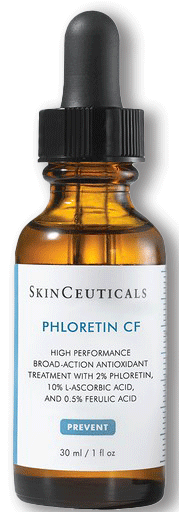
SkinCeuticals Phloretin CF (1 fl. oz.) contains Ferulic Acid, but no Vitamin E. It was replaced by phloretin; a flavonoid found in apples. Phloretin has antioxidant properties as well, but can also delay the deposition of sugar deposits, which harden collagen as we age, in the skin.
What Is Magnesium Ascorbyl Phosphate?
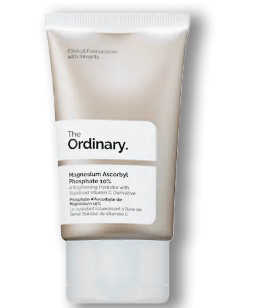
This water-soluble derivative of vitamin C is more stable (meaning it won’t degrade as quickly as other forms). This form of Vitamin C increases skin hydration and produces less skin irritation.
Best for: dry or sensitive skin
Try Magnesium Ascorbyl Phosphate 10% from Ordinary
What Is Ascorbyl Palmitate?
This is a more stable form of vitamin C and is commonly used in oil-based skincare formulas. Also known as Vitamin C Ester.
While it’s not as potent as other forms, it is an effective free radical scavenger. Helps to protect against signs of cellular aging and repair skin.
Delivers antioxidants faster than the water-soluble forms of Vitamin C.
Best for: repairing free radical damage
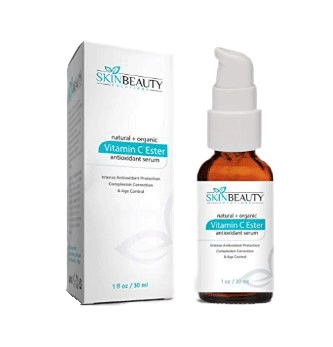
Try Vitamin C Ester (Ascorbyl Palmitate) Serum from Skin Beauty Solutions on Amazon
What Is Ascorbic Glucosamine?
This is a water-soluble derivative of vitamin C. It’s often used for its antioxidant and skin-brightening properties, not enough research to prove its actual effectiveness.
Best for: hyperpigmentation
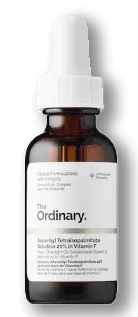
Try Ascorbyl Glucoside Solution 12% from Ordinary
What Is Tetrahexyldecyl Ascorbate?
This is the newest member of the vitamin C family. It’s more stable than the other members, and its fat-soluble makeup makes it easier to penetrate deep into the skin. Hydrates and restores the radiance of dull, dry skin.
Best for: general skin treatment for dry skin
Try Super Antioxidant Serum from Paula’s Choice
Canada La Roche Posay Effaclar Serum From Shoppers Drug Mart

What Is Sodium Ascorbyl Phosphate?
A stable, water-soluble derivative, this form of vitamin C is gentle on the skin and converts to ascorbic acid after it’s absorbed. It effectively brightens uneven skin.
I use this form of vitamin C in my skincare routine. It brightened my skin without any irritation!
Best for: brightening
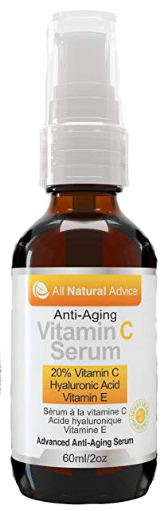
Try 20% Vitamin C Serum from Canada on Amazon. It combines Sodium Ascorbyl Phosphate (vol. 20%) + 11% Hyaluronic Acid and Vitamin E to help brighten the skin and boost collagen production.
I absolutely –LOVE– this Vitamin C serum. It clears up my dry, sensitive skin, doesn’t irritate, and gives it a luminous, fuller, more youthful appearance (thanks to hyaluronic acid). It’s a great price for this size AND the fact that it’s Canadian? I mean, that’s a WIN-WIN for a Canadian girl like me.
Can you layer vitamin C products with other skincare products?
A vitamin C serum will not lose its potency if applied in an incorrect order, but the general rule is to work thin to thick to increase absorption.
Products with thinner consistency will have a chance to absorb into the skin before applying thicker products.
You can add peptides, hyaluronic acids, and B5 after the Vitamin C serum.
Exceptions Are Products with Niacinamide And Retinol-A.
Niacinamide turns into niacin when mixed with Vitamin C. Niacin, although not harmful, can cause short-term skin redness and tingling in people with sensitive skin.
Do Not Use Other Acids and Vitamin C If Your Skin Sensitive or Dry.
Try to alternate these products on different days or use one in the morning and another one in the evening.
How to Use Vitamin C Serum?
I use vitamin C during the daytime, in my morning routine, because it’s all about protection.
Use your Vitamin C serum right after you cleanse and maybe tone your skin but before all other products. If you have time, let it sink in for a minute.
I apply it on the clean damp face before other products. I feel that this way I receive the best benefit of the product.
Take 3-4 drops and spread serum over your face, and neck and decorate with your fingertips.
Follow up with other targeted treatments, moisturizers, and face cream. Don’t forget to finish with SPF protection.
Vitamin C combined with sunscreen increases protection from the sun which is why it’s recommended to use VIT C serum during the morning routine.
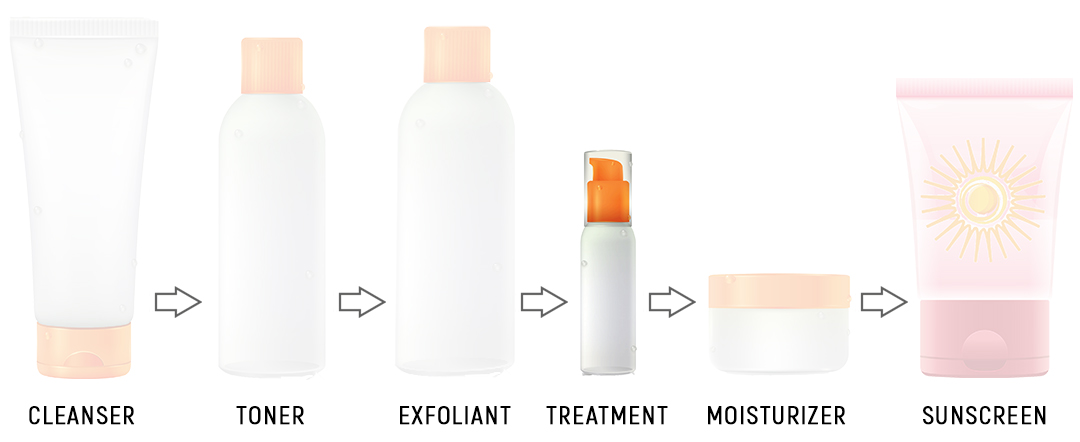
Important Note: This does not mean that vitamin C moisturizers and serums are a replacement for sunscreen or SPF protection! While it can help boost the deeper layers of your skin, you still need to protect the top layer with sun protection. Wear a daily SPF any time you’re heading outside, regardless of whatever else you use in your skincare routine!
Can I Use Vitamin C Serum Every Day?
Yes, definitely yes!
How often should you use vitamin C on your face?
You can use it morning and night if you want.
Remember that it could take 2 – 6 months to see if it’s working.
Here are some tips to help you get the most out of your vitamin C skincare products.
- Follow application instructions.
- Use regularly. If you only apply occasionally, you won’t see results.
- Don’t give up just because you don’t see immediate changes. Be patient.
- Store correctly to ensure the potency hasn’t been compromised.
How to Store Vitamin C Serum?
- Keep it away from light
- Keep it airtight
- Keep It Cool
Oxygen and light can break down vitamin C serum. Always put the cap back on and make sure it is screwed on tight to keep air from seeping in.
Keep the serum somewhere dark and away from direct light!
Let’s be realistic here, the medicine cabinet is fine.
My Main Criteria in Choosing Vitamin C Serum:
- It should have between 10 – 30 percent vitamin C enough to boost collagen
- Shouldn’t bring on redness and irritate the skin
- Vitamin C should be one of the first three ingredients
- Look for vitamin C serums with Vitamin E that contain ferulic acid, which helps stabilize the vitamin and creates an ideal pH level.
Vitamin C is unstable and will degrade over time, losing its efficacy. Interacting with heat, light, and airspeeds up the process, which is why you should look for serums in opaque, airtight bottles.
Color: Your serum should be clear, white, or light champagne color. If it’s cloudy or dark in color, it may have already oxidized and should be returned or discarded.
Smell: Vitamin C serum is typically odorless. If it smells sour or rancid, it’s no good.
If it’s oxidized (has a caramel color) it means that you are not gating the full strength of the ascorbic acid.
Are There Any Side Effects Using Vitamin C Serum Products?
Not every skin reacts the same
- people feel sensitivity
- doesn’t do anything for them
- braking out
If you are breaking out, try to use another derivative of Vit C.
If you experienced irritation after using Vit C.
This could happen, especially with sensitive skin.
I’d recommend introducing it slowly into your routine and cutting other active ingredients down if you are already using a lot.
For the newbies or first-timers using a Vitamin C serum: Please be aware to avoid sun exposure, as Vitamin C can make your skin very sensitive to the sun, and cause your skin to burn easier — I, use an SPF 50 on the face and wear large sunglasses with a hat!
What Percentage of Vitamin C Serum Is Better for You?
A bigger percentage of vitamin concentration doesn’t mean better all the time. Your skin may not tolerate it.
Often when you use more than your skin can handle the opposite effect happens. It’s all about finding the right balance for your skin.
Even a formulation with 5% ascorbic acid has proven to work.
5% – 10% good for young skin up to age 30.
If you are more mature and afraid of side effects, then 10% – 15% may be good for you. Normally there will be no sensitivity and your skin reacts well and you will see results over time. You will see brightness and better skin texture.
20% is good for correcting higher pigmentation and good for aging skin. If you can not handle it every day you can use it as a spot treatment in certain areas.
Expect skin purging during the first couple of months, everything will come out.
It’s a good idea to start with a lower concentration and wait until your skin adapts before moving on to a higher concentration in your skincare regimen.
Other Ingredients That Are Often Included Alongside Vitamin C
These ingredients are often added to help stabilize vitamin C and offer some additional benefits to pack a punch!
What Is Hyaluronic Acid?
HA is a powerful humectant that grabs moisture and binds it to the skin. It improves your skin’s ability to hold hydration and penetrate it into deep layers. This helps diminish fine lines and signs of aging and provides skin with intense moisture!
What Is Vitamin E?
Vitamins C and E are both members of the antioxidant group, and they work better together by fighting collagen-busting free radicals and supporting the skin’s lipid barrier. This means more supple, youthful skin for you!
What Is Ferulic Acid?
This is another antioxidant that helps boost and stabilize both vitamins C and E. It also aids in fighting free radical damage to support collagen production.
Does Vitamin C Fade Dark Spots?
It will lighten them up but will not remove them completely. Bummer I know.
FINAL THOUGHTS
You will see the benefits of Vitamin C for your skin if you incorporate it into your daily routine.
You can also boost its benefits by making sure you’re eating a healthy, balanced diet full of fruits and vegetables to nourish your skin from the inside out!
Do you want to try vitamin C products, but still have questions or concerns? Share them in the comments section. I’d love to help!
References for this information:
https://www.ncbi.nlm.nih.gov/pmc/articles/PMC5579659/
https://lpi.oregonstate.edu/mic/health-disease/skin-health/vitamin-C
and 40 things you should know about vitamin C
Share “Benefits of vitamin C in skincare”, if you find it helpful.
